Cervical Cancer Screening and Prevention: What You Need To Know
1/24/2022
•
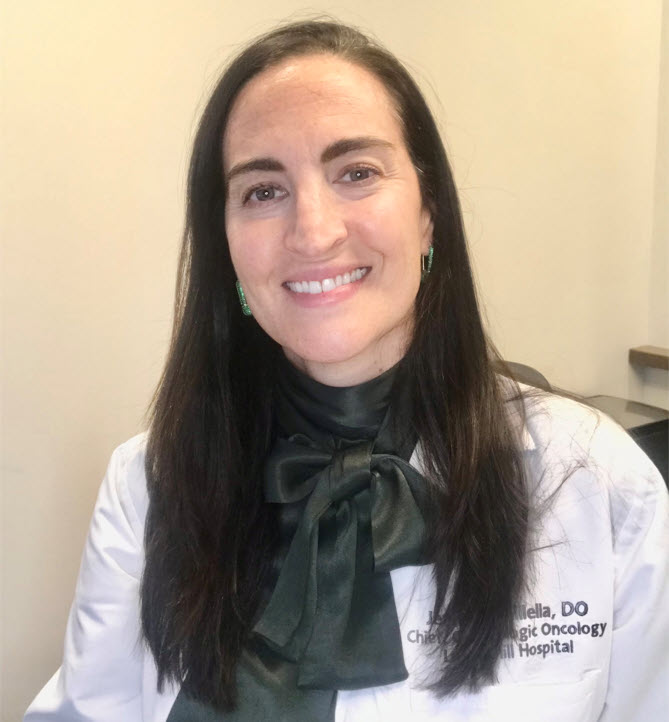
Posted by Dr. Jeannine Villella, GYN Oncologist at Northwell
in
Corporate News,
Health and Wellness,
Women's Health
Cervical Cancer affects women worldwide. This unfortunate disease affects over 14,000 women per year in the United States. The age of cervical cancer varies, but in the United States the average age of diagnosis is 50 years old.
In many cases, this is a curative disease, however in advanced stages the five year survival is less than 50%. Thus, it is especially important to learn about screening cervical cancer and prevention because there are ways to decrease your chance of suffering from this disease. Cervical cancer prevention, screening, treatment are critical components of comprehensive reproductive health care.
HUMAN PAPILLOMA VIRUS (HPV)
Most cases of cervical cancer are due to a sexually transmitted virus called the human papilloma virus. This virus is very prevalent among both men and women, and has been responsible for many cancers of cervix, tonsils, mouth, throat, anus, vulva to name a few. There are over 100 different HPV viruses. One of the ways you can protect yourself and others is to receive the HPV vaccine. These vaccines protect against 4 or 9 of the most common HPV types that cause cervical cancer. This vaccine is now approved for anyone from the age of 9-45 years of age of any gender or sexual orientation. Speak to your health care provider to learn more!
CERVICAL CYTOLOGY
Cervical cytology (a pap smear) is the screening method to detect cervical cancer or precancer. It is very effective in detecting these lesions and has been responsible for the decreased number of cervical cancers in the country. This test is done by health care providers with use of a speculum placed in the vagina to visualize the cervix. Then a small brush is placed against the cervix to obtain cervical cells. It may be associated with minimal discomfort, but fortunately it only takes a few seconds to complete.
CURRENT SCREENING GUIDELINES
The American College of Obstetricians and Gynecologists (ACOG), the Society of Gynecologic Oncology (SGO) and the U.S. Preventive Services Task Force (USPTF) created guidelines for screening with high-risk HPV testing and cervical cytology for average risk individuals. No screening is recommended for age less than 21 years. From age 21-29, cervical cytology alone is recommended. HPV testing is not recommended in this age group because many people will have HPV but very low risk of having cancer. From age 30-65 years old people can have cytology alone every 3 years, high risk HPV testing alone every 3 years or cervical cytology and high-risk HPV testing every 5 years. These guidelines do not apply to individuals with previous precancerous lesions or compromised immune system.
The more you know about your body and what is available to you to prevent and screen for cervical cancer, the healthier you will be!
References:
- SEER: https://seer.cancer.gov.
- Curry SJ, Krist AH, Owens DK, Barry MJ, Caughey AB, Davidson KW, et al. Screening for cervical cancer: U.S. Preventive Services Task Force recommendation statement. U.S. Preventative Services Task Forse. JAMA 2018; 320:674-86.
- American College of Obstetricians and Gynecologists. Updated guidelines for management of cervical cancer screening abnormalities. Practice Advisory. Washington, DC: American College of Obstetricians and Gynecologists; 2020. Available HERE