Member
Providers
Shop For a Plan

Health Equity

At Fidelis Care, we believe everyone should have the opportunity to live a healthy life. It’s our mission to ensure New Yorkers have access to high-quality healthcare, so they can get the care they need when they need it.

But many other factors contribute to an individual’s health and wellness beyond access to healthcare. Socioeconomic conditions can influence health risks and outcomes. Poverty, food insecurity, housing instability, education, employment, access to transportation and other circumstances contribute to health disparities among underserved and vulnerable populations.

Fidelis Care is committed to removing those barriers to health to improve access, quality, and affordability. It is an ongoing process that requires working together with our members, providers, and community-based organizations to support fair and just opportunities to equal access to healthcare.

Learn more about our different approaches to improve health equity:


Key partnerships

Wellness commitment to Buffalo Urban League

To nurture social entrepreneurship, facilitate wellness, and strengthen organizations focused on Black, Indigenous and People of Color in Buffalo’s East Side, Fidelis Care and the Centene Foundation donated $1.1 million to the Buffalo Urban League (BUL) to help establish its new headquarters and develop a Wellness and Entrepreneurial Center.

In addition, Fidelis Care partners with BUL through community programs and at events held in the city focused on health, family support and stabilization services, foster care, adoption, education, job training, employment, scholarships, and more.

Buffalo-Urban-League

Mental health alliance with The Jed Foundation

As part of our behavioral health efforts, Fidelis Care and the Centene Foundation awarded $1.1 million to The Jed Foundation (JED) to protect the mental health of New York State’s youth.

Through the funding, JED will expand its current services, providing at least five youth-serving community-based organizations (CBOs) with consultation or strategic planning services, including expert guidance, educational workshops, and training programs, equipping young people with life skills and connecting them to mental healthcare when they are in distress.

Fidelis-JED-Social


More Health Equity News


Information on the Polio State Disaster Emergency
9/26/2022 • Posted by Fidelis Care in Corporate News, Immunizations, In The Community, Member News

Information-on-Polio-State-Disaster-for-NYS-Fidelis-Care


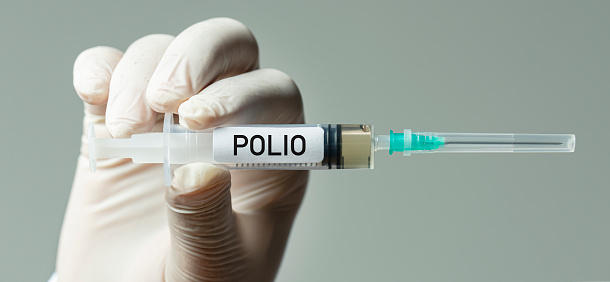
In response to the polio state disaster emergency, Fidelis Care urges our unvaccinated members to get immunized to protect yourself from this serious disease.

All New Yorkers who are unvaccinated, including children 2 months and older, those who are pregnant, and people who have not completed their polio vaccine series, should get immunized.

Polio is a highly contagious disease that can cause paralysis. Poliovirus, the virus that causes polio, spreads from person to person through the mouth or nose. It can get into food and water.

The first case of polio in the United States since 1994 was recently detected in Rockland County. Poliovirus was also found in wastewater samples in the greater New York City area. If you are unvaccinated and live, work, visit, or attend school in Rockland County, Orange County, New York City, Sullivan County, and Nassau County, you are at the highest risk of contracting the disease.

Vaccination is the best way to protect yourself from polio. Inactivated poliovirus vaccine (IPV) is safe and does not contain live virus. People who get the vaccine cannot infect others. IPV is the only polio vaccine used in the United States.

IPV vaccination is part of a child's recommended routine vaccinations. More than 99 percent of children who get all four IPV doses (at 2 months old, 4 months old, 6 through 18 months old, and 4 through 6 years old) will be protected from polio. Unvaccinated adults should receive 3 doses.

If you are not sure whether you and your child have received the complete polio vaccine series, contact your provider to see if they have your immunizations records. If your provider does not have the records and you are not sure of your vaccination status, then it is recommended that you get vaccinated.

Contact your provider to schedule your polio vaccination. If you live in Rockland County, you also can visit a polio vaccine clinic.

The New York State Department of Health also recommends that the following New Yorkers who have previously completed their polio vaccine series should receive one lifetime booster dose of IPV:

  • Individuals who may have close contact with a person or family member known or suspected to be infected with poliovirus.
  • Healthcare workers working in areas where poliovirus has been detected who may be exposed to poliovirus.
  • People who work in the wastewater industry.

It is also important to wash hands often with soap and water. Alcohol-based hand sanitizers do not kill poliovirus.

For more information, visit https://www.health.ny.gov/polio.